After three years of cutting-edge research and innovation, the QUDICE (Quantum Devices and subsystems for Communications in spacE) project has officially concluded its activities, marking a significant milestone in the development of space-based quantum communication technologies. Funded under the Horizon Europe programme, QUDICE aimed to advance Europe’s capacity for ultra-secure communications via satellite-based Quantum Key Distribution (QKD).
From Lab Concepts to Space-Ready Systems
Running from January 2023 to December 2025, QUDICE successfully moved key quantum communication components from laboratory prototypes to space-qualifiable engineering models (TRL 5–6). Innovations developed during the project included:
- Space-qualifiable QKD sources for discrete-variable and continuous-variable protocols
- Entangled photon sources for secure communications
- Quantum Random Number Generators (QRNGs)
- Satellite Pointing, Acquisition, and Tracking (PAT) systems
- 5G-enabled post-processing for QKD
- Simulation testbeds for advanced system validation
These breakthroughs lay the foundation for the future European Quantum Communication Infrastructure (EuroQCI), supporting ultra-secure key exchange in satellite networks.
Scientific and Technological Achievements
QUDICE delivered robust scientific outputs, including:
- 6 peer-reviewed journal articles and 5 ArXiv publications, covering quantum communication architectures, entangled photon sources, and free-space QKD modeling
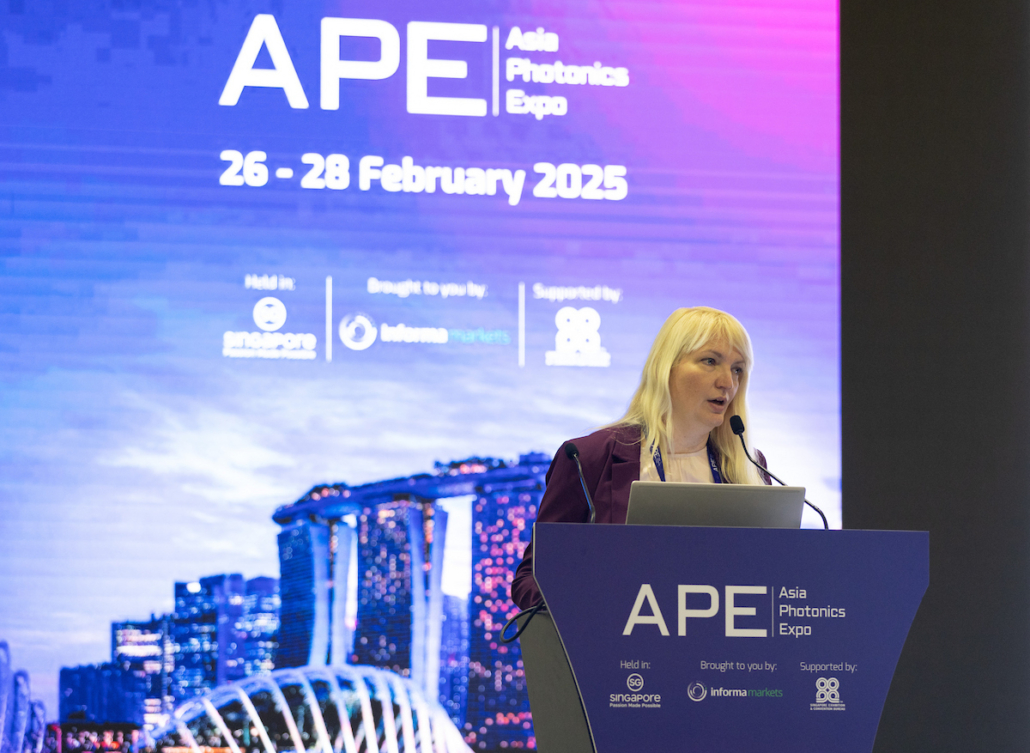
- 33 conference presentations and participation in 8 major scientific, industry, and general events worldwide, from EQTC Copenhagen and MWC Barcelona to Space Tech Expo Bremen and Asian Photonics Expo in Singapore
- Development of space-qualified subsystems ready for integration into operational satellites, supporting TRL progression toward full satellite deployment
Dissemination, Outreach, and Communication
The consortium carried out extensive outreach, including:
- 24 news items on the project website, generating over 8,800 views from a global audience spanning Europe, North America, Asia, Oceania, and Africa
- An animated 3D video explaining QKD in space, which doubled its viewership to 1,512 views by the end of the project
- Engagement with students and the general public through hands-on cryptography workshops, Science in the City events, and School Days
- Sustained presence in media outlets such as The Times of Malta and radio programs, as well as active social media engagement across Facebook, LinkedIn, and X (Twitter)
Industrial Exploitation and Future Prospects
QUDICE positioned its industrial partners to capitalize on their innovations:
- Companies like ThinkQuantum, Quside, Stellar Project, and SIOT developed market-ready quantum components and systems
- Satellite integrators such as TASI and ARGOTEC gained a strategic advantage in designing quantum communication payloads
- Academic institutions, including University of Padova, ICFO, and University of Malta, leveraged results for further research, new IP, and training the next generation of quantum engineers
A clear roadmap was defined to raise all subsystems to TRL9, integrating them into operational satellites and future In-Orbit Validation (IOV) missions, ensuring QUDICE’s impact extends beyond the project’s lifetime.
Conclusion
QUDICE has firmly established Europe’s leadership in quantum communications for space, combining high-quality research, technological innovation, and broad engagement with industry, policymakers, and the public. By bridging academic research, industrial development, and societal outreach, the project has created a lasting foundation for secure quantum-enabled networks and future satellite-based applications.
As the project comes to a close, its results act not as an endpoint but as a catalyst for continued progress, driving Europe toward a secure, quantum-connected future.